

Inflammation plays a major role in both digestive discomfort and cardiovascular health. During late winter, when meals can feel heavier and activity levels shift, focusing on anti-inflammatory foods can support your microbiome of beneficial gut bacteria and protect your heart at the same time.
🧠 Why Anti-Inflammatory Foods Matter
Chronic low-grade inflammation can disrupt gut bacteria, weaken the intestinal lining, and contribute to bloating or fatigue. At the same time, inflammation affects blood vessels and circulation.
Focusing primarily on the following help:
- Reduce digestive irritation
- Support microbiome balance (beneficial gut bacteria varieties)
- Improve nutrient absorption
- Promote cardiovascular wellness
🫐 Berries as Anti-Inflammatory Nutritional Treats
Berries are rich in antioxidants and polyphenols (anti-inflammatory compounds) that nourish beneficial gut bacteria while lowering inflammatory markers.
Best options include:
- Blueberries
- Strawberries
- Raspberries
- Blackberries
They provide natural sweetness while supporting both digestion and heart health.
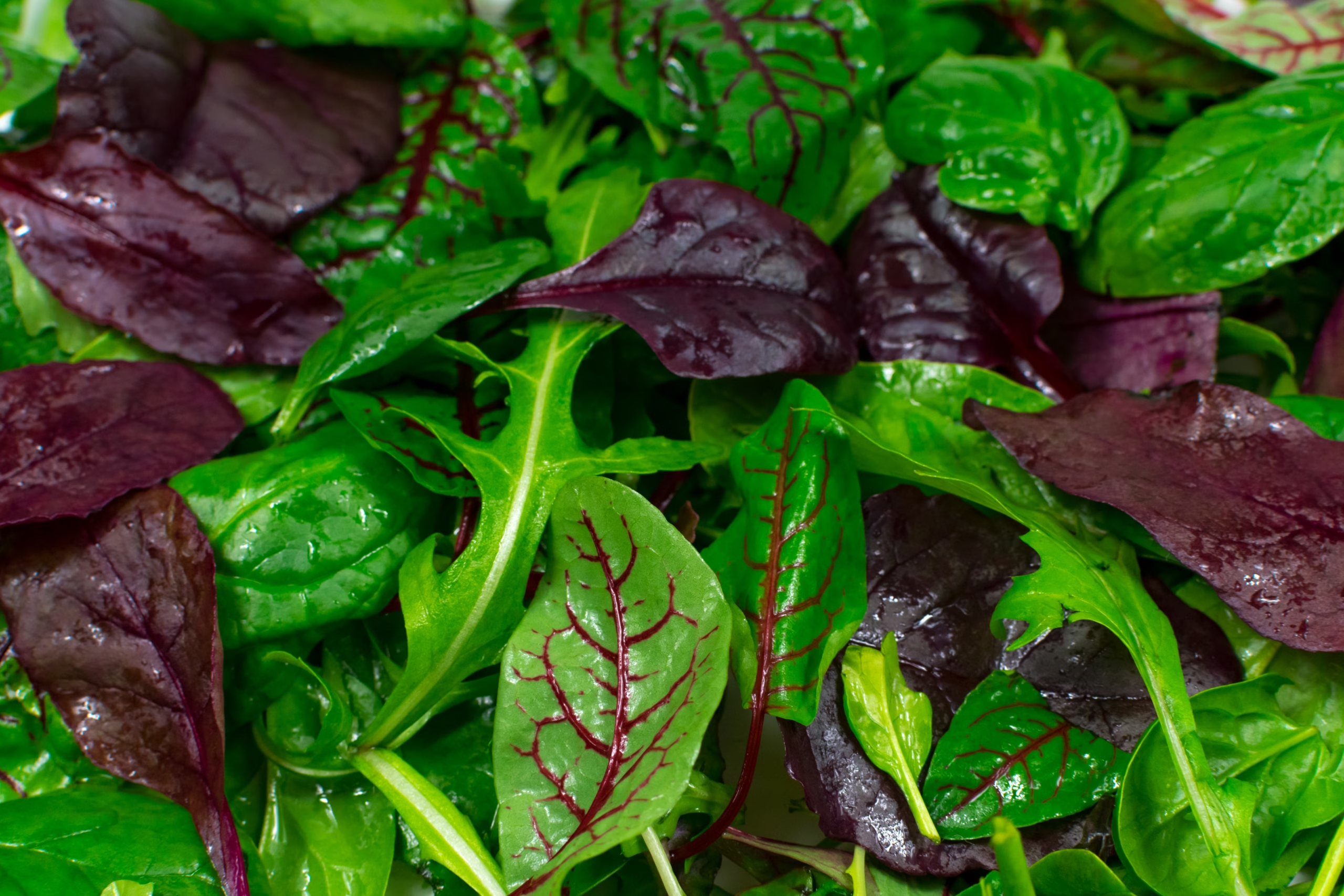
🥬 Leafy Greens: Beneficial Mainstays
Leafy greens deliver fiber, magnesium, and plant compounds that reduce inflammation and improve circulation.
Make a salad of the following:
- Spinach
- Kale
- Swiss chard
- Arugula
These vegetables help feed beneficial bacteria and support vascular function.
🐟 Omega-3 Sources as Contributors
Fatty fish provide omega-3 fatty acids, which are known for their anti-inflammatory effects.
Top choices:
- Salmon
- Sardines
- Mackerel
- Anchovies
Omega-3s support gut lining integrity and heart rhythm stability.
🥑 Healthy Fats That Aids Wellness
Healthy fats help calm inflammation and assist with nutrient absorption.
Include:
- Extra virgin olive oil
- Avocados
- Nuts (pistachios, walnuts, pecans, brazil nuts, macadamia nuts)
- Seeds (flax seeds, sesame seeds)
These foods support both digestive balance and cardiovascular protection.
🌿 Warming Spices That Complement Hearty Meals
Spices enhance meals while delivering powerful anti-inflammatory benefits.
Try:
- Turmeric
- Ginger
- Cinnamon
- Garlic
They soothe digestion and support circulation during colder months.
🌾 Fiber-Rich Resistant Starches
Fiber plays a central role in feeding beneficial gut bacteria and lowering inflammation.
Helpful options include:
- Sorghum
- Sweet potatoes
- Millet
- Quinoa
These whole foods promote long-term gut comfort and heart resilience.
🎁 Final Thoughts on Anti-Inflammatory Foods
Prioritizing anti-inflammatory foods during late winter supports both digestive comfort and heart health. By incorporating berries, leafy greens, healthy fats, omega-3s, and fiber-rich foods, you can reduce inflammation naturally and strengthen your body from the inside out. Please refer to this source for more related information.