
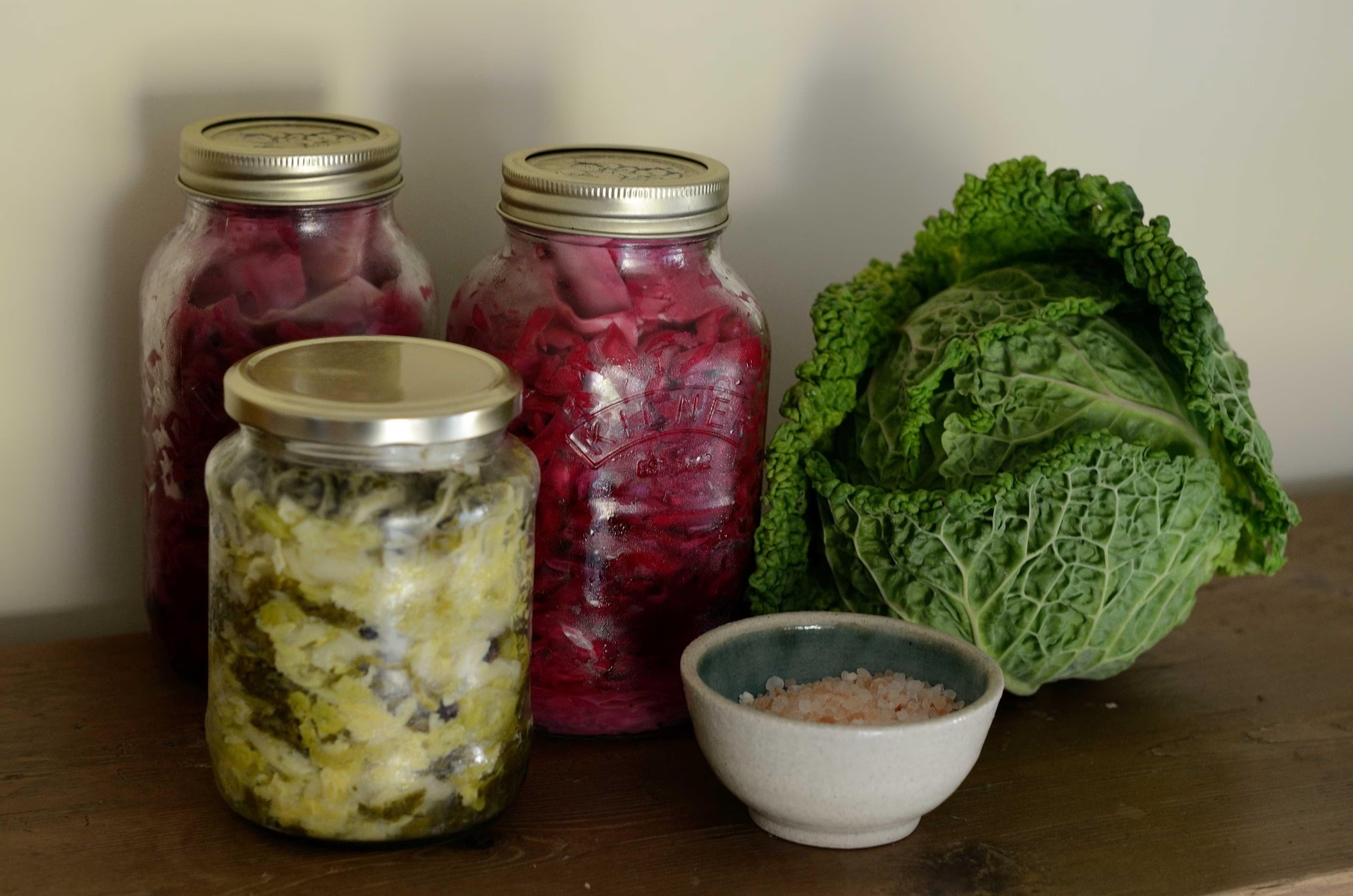

If you’re exploring ways to support your gut health, you’ve probably heard about fermented foods. But what exactly are they—and why are they so powerful for digestion?
In this beginner’s guide, we’ll break down the science of fermentation, the top foods to try, and how to easily include them in your daily routine.
🧫 What Are Fermented Foods?
Fermentation is a natural process where microorganisms like bacteria or yeast break down sugars and starches into simpler substances—often resulting in tangy, sour, or fizzy foods and drinks.
The real magic? These foods are packed with probiotics—live beneficial bacteria that help balance your gut microbiome.
💡 Why Are Fermented Foods Good for Your Gut?
Fermented foods offer several gut-health benefits:
- Increase beneficial bacteria (aka probiotics)
- Improve digestion and nutrient absorption
- Strengthen the gut lining
- Support immune function (since 70% of immune cells live in the gut)
- Help reduce bloating and irregularity

🥗 7 Fermented Foods to Add to Your Gut Routine
Here are some popular options—many of which are easy to find in grocery stores or even make at home:
- Yogurt – Choose unsweetened, live-culture varieties for the most probiotics.
- Kefir – A tangy, drinkable fermented milk (or water) with a wide range of bacterial strains.
- Sauerkraut – Fermented cabbage that’s rich in fiber and probiotics. Look for unpasteurized versions in the fridge section.
- Kimchi – A spicy Korean dish made from fermented veggies, usually cabbage and radishes.
- Miso – A fermented soybean paste often used in soup; a great source of probiotics and protein.
- Tempeh – Fermented soybeans pressed into a cake—great for gut health and plant-based protein.
- Kombucha – A fizzy fermented tea that supports digestion (just watch for added sugars).
🧂 Probiotic vs. Prebiotic: What’s the Difference?
- Probiotics are live bacteria found in fermented foods.
- Prebiotics are fibers and compounds that feed those bacteria (found in foods like garlic, onions, bananas, oats).
You need both to build and sustain a healthy gut.
👩🍳 How to Get Started
- Start slow. If you’re new to fermented foods, begin with small servings (like 1–2 tablespoons of sauerkraut or half a glass of kefir) and increase gradually.
- Check the labels. Choose items that say “raw,” “live cultures,” or “unpasteurized.”
- Incorporate daily. Add fermented foods as sides, toppings, or snacks to your regular meals.
🔄 DIY Fermentation: It’s Easier Than You Think
Want to try making your own? Start simple:
Easy Fermented Carrots
- Slice carrots into sticks
- Pack into a jar with garlic and dill
- Cover with a saltwater brine (about 1 tbsp salt per 2 cups water)
- Let sit at room temp for 5–7 days, then refrigerate
✅ Final Thoughts
Fermented foods are one of the most natural, effective ways to support your digestive system and overall health. Whether you buy them or make them yourself, adding just one or two servings a day can help:
- Balance your gut bacteria
- Improve digestion
- Boost immunity
Your gut (and your taste buds) will thank you. For further reading, check out Harvard Health.