
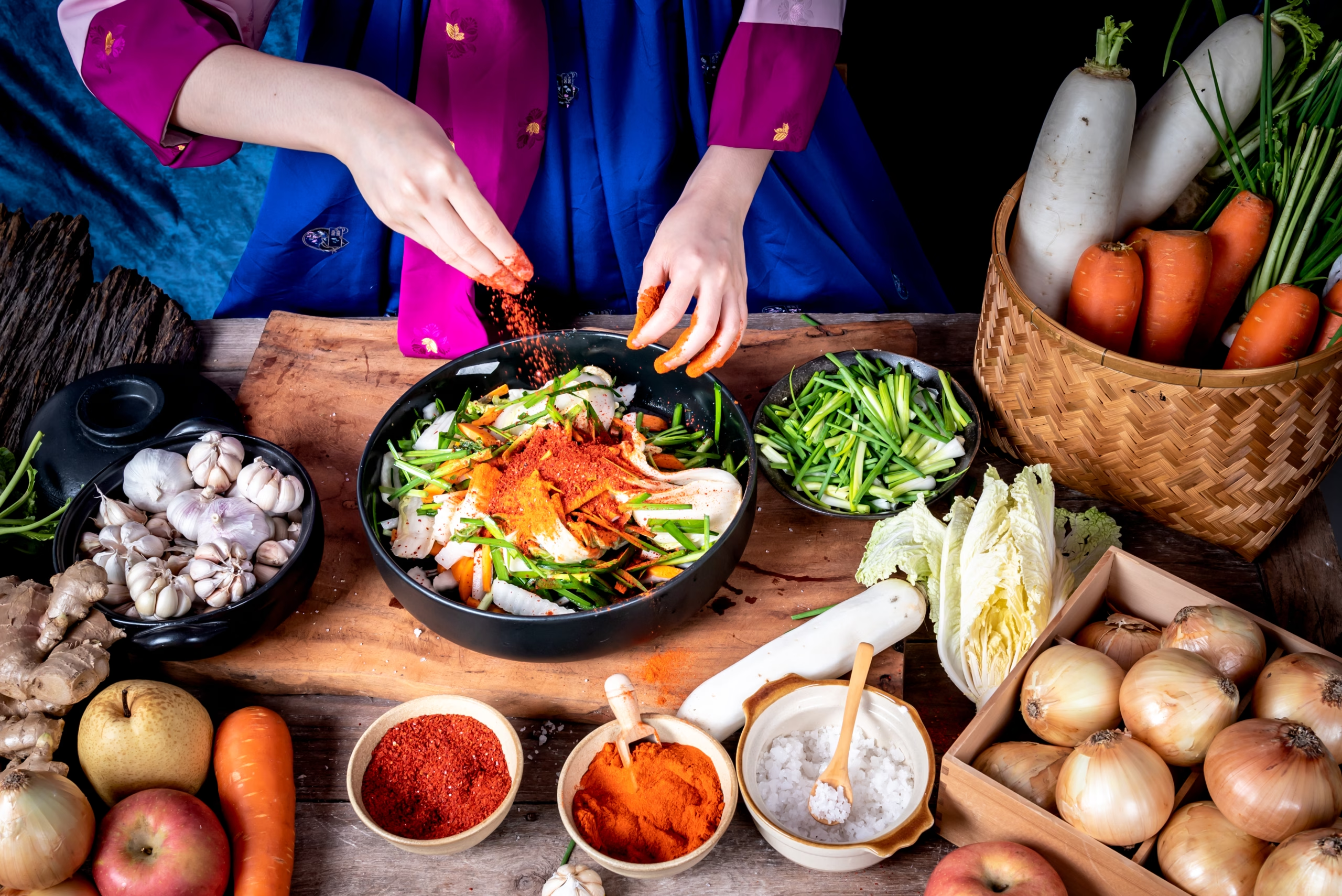

As winter fades and fresh foods return, spring is an ideal time to refresh your digestive habits. One simple way to support your microbiome is by adding fermented foods for gut health to your meals.
Fermented foods contain a variety of beneficial bacteria that help restore balance in the gut microbiome. After months of heavier winter eating patterns, these foods can help rebuild digestive resilience and support overall wellness.
🧠 Why Fermented Foods for Gut Health Matter
Fermented foods naturally contain probiotics—beneficial microorganisms that support digestive balance. These microbes help maintain the gut microbiome and assist the body’s natural digestive processes.
Regularly eating probiotics from fermented foods may help:
- Improve digestion
- Support microbiome diversity
- Strengthen immune health
- Reduce occasional bloating
A reinforced gut microbiome contributes to overall wellness.
🥬 Popular Fermented Foods Sources
There are many simple fermented foods that can easily be added to everyday meals.
Common options include:
- Yogurt with live cultures (coconut as a dairy alternative is available)
- Kefir
- Sauerkraut
- Kimchi
- Miso
- Kombucha
These foods introduce beneficial bacteria that support digestive biodiversity.
🌸 Why Spring Is a Good Time for Fermented Foods Improving Gut Health
Seasonal transitions often inspire dietary changes. As fresh vegetables and lighter meals return, fermented foods pair well with seasonal produce.
Spring meals such as salads and vegetable dishes can easily incorporate fermented food sources to support the gut microbiome.
⚖️ How to Add Fermented Foods Gradually
If fermented foods are new to your diet, it’s best to introduce them slowly so your digestive system can adjust.
Helpful tips include:
- Begin with small portions
- Eat fermented foods consistently rather than in large amounts
- Combine them with fiber-rich plant foods
Gradual changes help your body adapt comfortably.
🥗 Pair Fermented Foods With Prebiotic Foods
Fermented foods work best when paired with prebiotic foods that nourish beneficial bacteria.
Good combinations include:
- Yogurt with berries
- Sauerkraut with roasted vegetables
- Miso soup with leafy greens
Together, prebiotics and probiotics create a supportive environment for gut health.
🌞 Simple Ways to Enjoy Fermented Foods for Gut Health
Adding fermented foods to daily meals can be easy and enjoyable.
Try:
- Adding sauerkraut as a side dish
- Mixing yogurt with fruit and nuts
- Drinking kefir smoothies
- Using miso in soups and dressings
These small habits make it simple to incorporate these combinations for meals every day.
🎁 Final Thoughts
Including probiotics this spring helps nourish beneficial bacteria and rebuild microbiome variety after winter. When combined with fiber-rich plants and balanced meals, fermented foods can naturally support digestion and long-term gut health as reported by this online article.